
As of October 29, 2026. NOAA updates its outlook monthly; the next update is scheduled for November 19.
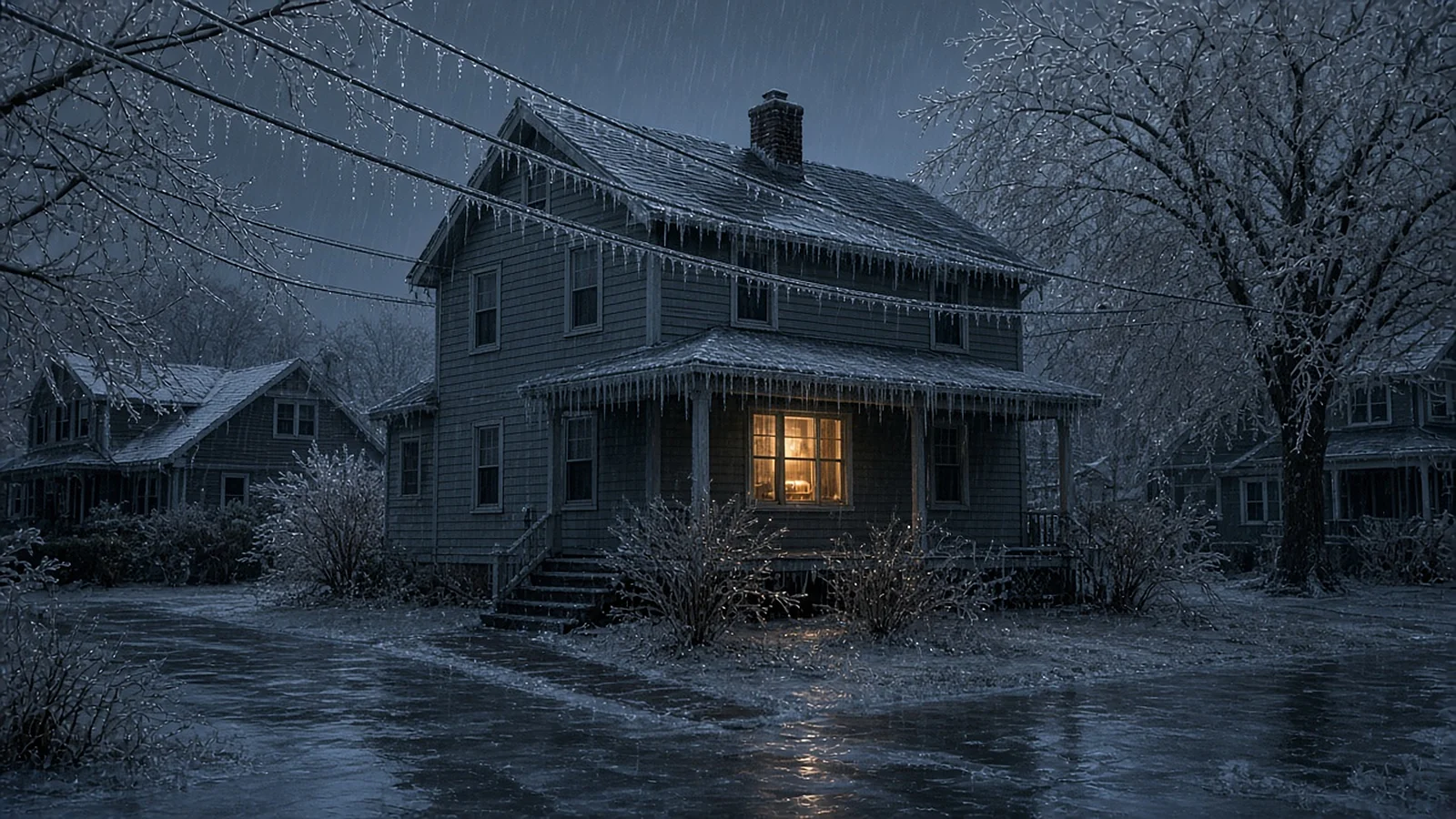
In mid-October, the National Oceanic and Atmospheric Administration published its outlook for the winter ahead. It carries a clear message for families across the southern United States and up the East Coast: the odds favor a wetter season, and NOAA says they tilt toward stormier weather across the South.
That is not a reason to worry. It is a reason to get the house ready before winter arrives.
What NOAA’s outlook says
NOAA released its U.S. Winter Outlook on October 15, 2026, covering December 2026 through February 2027. The headline is El Niño, which NOAA says will likely influence the upcoming winter months.
Ken Graham, director of NOAA’s National Weather Service, explained: “As we know from decades of observations, a very strong El Nino will likely bring a southward and eastward shift to the jet stream for the contiguous U.S., which tilts the odds toward stormier weather across the South.”
Here is what the outlook favors.
Precipitation
- Wetter than average across the southern tier of the country, from the Southwest to the Southeast, and along the East Coast.
- Drier than average for Hawaii, much of Alaska, the northern Mountain West, some areas of the Great Lakes and the western Pacific Islands.
Temperature
- Warmer than average for northern California, the Pacific Northwest, the Midwest, the Mississippi Valley, much of the East, Alaska, and Puerto Rico and the U.S. Virgin Islands.
- Near-normal temperatures are most likely for parts of the Southeast, including Florida.
Drought
- Drought is forecast to improve or end in the Southwest, Southern Great Plains, Southeast and parts of the East Coast. It may develop or worsen in parts of the northern Rockies, northeastern Oregon and eastern Washington.
Graham also offered a caution: “While higher chances of rain and snow may bring relief to drought-afflicted areas, too much precipitation on dry soil can fuel destructive flash floods and mudslides. Now is the time for communities and individuals to plan ahead for the upcoming winter.”
What the outlook does not say
NOAA is careful to note that its seasonal outlooks give probabilities, not certainties. The outlook does not forecast snowfall totals, because snow “forecasts are generally not predictable more than a week in advance.” A season that runs warmer or wetter than average overall can still include individual hard storms. The outlook tilts the odds. It does not promise a calm winter, and it does not predict any particular storm.
New this winter: “Particularly Dangerous Situation”
NOAA also announced upgrades to its winter warning tools. Most notably, the National Weather Service will begin using “Particularly Dangerous Situation” wording in select Blizzard Warnings and Ice Storm Warnings this season.
According to NOAA, the language will help forecasters alert the public to high-confidence blizzards or ice storms “of historic severity.” These rare events, NOAA says, typically pose “imminent danger to life and unprecedented disruptions to emergency services.”
Read that last phrase again: disruptions to emergency services. NOAA is saying that in the rarest, most severe storms, the usual help may not reach you quickly. That is exactly why household preparation matters.
The Weather Service has also made its Probabilistic Precipitation Portal operational. It shows low-end, expected and high-end amounts of snow, ice and rain for your area.
If you ever see “Particularly Dangerous Situation” in a warning for your county, treat it as the most serious kind of winter alert and act on it right away. Ready.gov advises: “If you are under a winter storm warning, find shelter right away.”
What this means for your household
Ready.gov notes that a winter storm can last a few hours or several days, can cut off heat, power and communication services, and puts older adults, children, sick individuals and pets at greater risk. The National Weather Service names the main concerns at home as loss of heat, power and telephone service and a shortage of supplies if a storm lasts more than a day.
Here is how to prepare, step by step.
1. Plan for a few days without power
Ready.gov says to gather supplies in case you need to stay home for several days without power, with extra batteries for radios and flashlights. Our Power Outage Checklist covers flashlights for every family member, power banks and what to unplug.
2. Store water before the storm
Ready.gov notes that power outages can disrupt water, too. Store at least one gallon per person per day, as Ready.gov recommends. Our guide How Much Water to Store for an Emergency walks you through the math. Ready.gov also suggests learning how to keep pipes from freezing before the cold arrives.
3. Heat safely, and respect carbon monoxide
Ready.gov warns that winter storms create a higher risk of carbon monoxide poisoning. Its rules are firm:
- Never heat your home with a gas stovetop or oven.
- Use generators, camp stoves and charcoal grills only outdoors, at least 20 feet away from windows, doors and attached garages.
- Install carbon monoxide detectors with battery backup on every level of your home.
The National Weather Service adds: make sure your CO detector is working and that outside vents are clear of leaves and debris, and clear snow away from them during and after a storm. Our Generator Safety guide covers the details.
4. Stock food that needs no cooking
The Weather Service recommends extra food such as dried fruit, nuts, granola bars and other food requiring no cooking or refrigeration. Keep the refrigerator and freezer closed during an outage. Ready.gov says a refrigerator keeps food cold for about four hours and a full freezer for about 48 hours. See Is Food Safe After a Power Outage? and our Emergency Food Supply List.
5. Don’t forget medicine, babies and pets
The NWS list includes extra prescription medicine, baby items such as diapers and formula, first-aid supplies, and extra pet food and warm shelter for pets. If anyone depends on refrigerated medicine or a powered medical device, talk with their doctor about an outage plan now.
6. Refuel early and pack the car
The Weather Service advises refueling heating fuel before you are empty, since “fuel carriers may not reach you for days after a winter storm.” Ready.gov recommends a car kit with jumper cables, sand, a flashlight, warm clothes, blankets, bottled water and non-perishable snacks, and keeping a full tank of gas.
7. Get alerts you can hear
Sign up for your community’s warning system, and keep a NOAA Weather Radio or battery radio in your kit. Our Emergency Kit Checklist brings it all together.
Not afraid of the snow
There is a woman in Proverbs whose household is ready for winter. Scripture doesn’t describe her as anxious. It describes her as unafraid, because she prepared.
“She is not afraid of the snow for her household: for all her household are clothed with scarlet.”
Proverbs 31:21 (KJV)
Readiness is not fear. It is love that planned ahead.
Your one faithful step this week
This weekend, test your carbon monoxide and smoke alarms and replace any dead batteries. Then put blankets, a flashlight and a case of water in one spot your whole family knows about. When the first winter warning comes, you’ll already be ready.
Sources
- NOAA: El Nino looms large over U.S. Winter Outlook, Oct. 15, 2026
- Ready.gov: Winter Weather
- Ready.gov: Power Outages
- Ready.gov: Build a Kit
- National Weather Service: Prepare! Don’t Let a Winter Storm Take You by Surprise
Related reading
- Power Outage Checklist
- Generator Safety: How to Prevent Carbon Monoxide Poisoning
- How Much Water to Store for an Emergency
- Emergency Kit Checklist for Families
General educational content, not individualized medical, safety, engineering, or financial advice. Follow your local officials and qualified professionals. In an emergency, call 911 (U.S.). See our Disclaimer.
Get one faithful step every week
The Shepherd’s Letter: Scripture, a short teaching, and one practical step for your household. Free.
Leave a Reply