
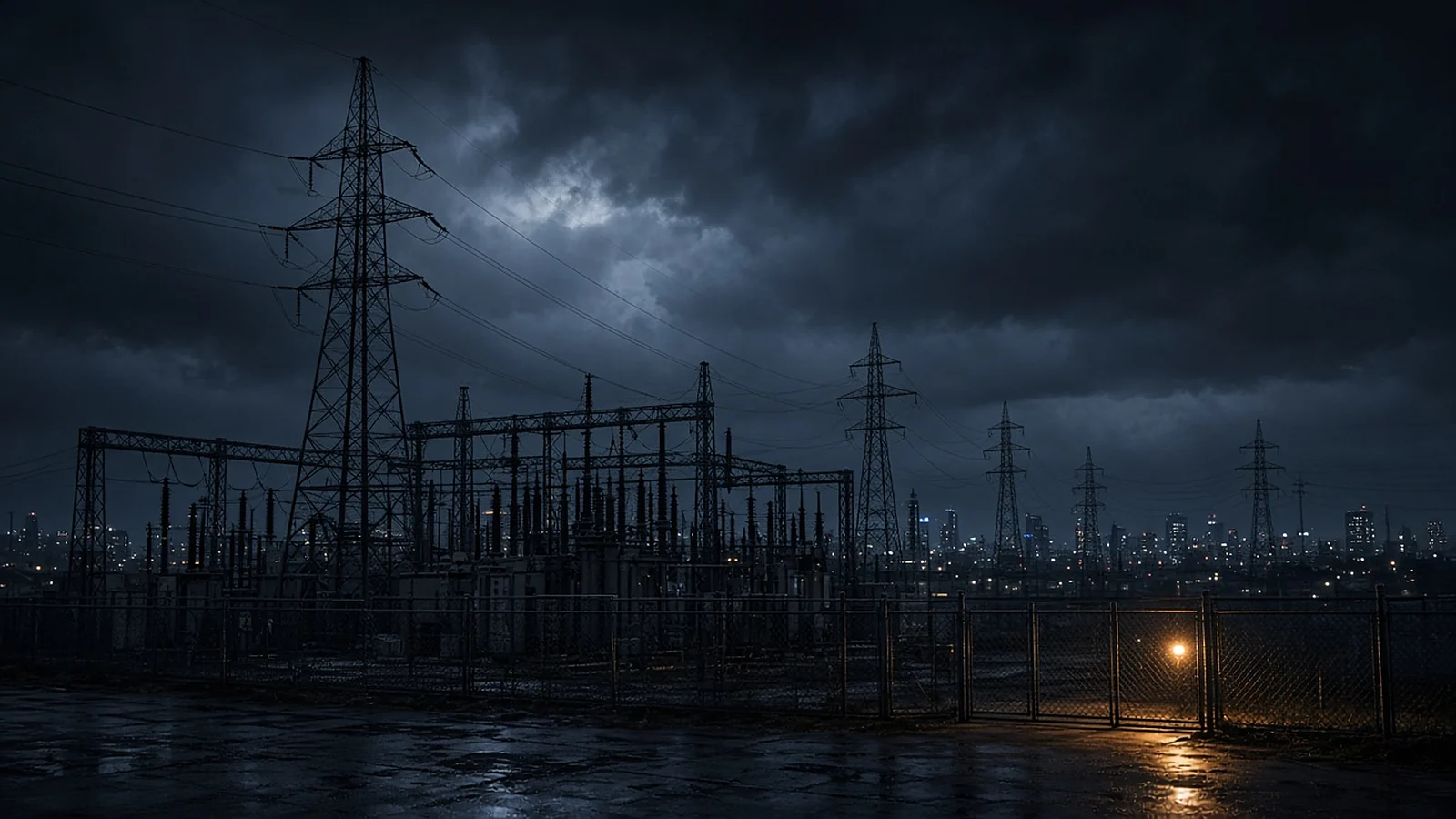
The house goes quiet. The refrigerator stops humming, the screens go dark, and somebody calls out from the next room, “Is your power out too?” Most outages are short. Some last a day or more, and those are the ones that test a household.
Ready.gov notes that an extended power outage can disrupt communications, water, and transportation; close retail businesses, grocery stores, gas stations, ATMs, and banks; cause food spoilage and water contamination; and prevent the use of medical devices. That list explains why a little planning matters. When the power goes, a lot goes with it.
This checklist walks through what to do before, during, and after an outage, using guidance from Ready.gov, the U.S. Department of Energy, the CDC, the Consumer Product Safety Commission, and FoodSafety.gov.
Darkness has a way of making small problems feel large. A ready home, and a quiet heart, make it feel smaller again.
Before an outage: prepare the household
Take an inventory of what runs on electricity
Ready.gov’s first preparation step is to take an inventory of the items you need that rely on electricity, then plan for batteries and other alternative power sources, such as a portable charger or power bank, to meet those needs.
Walk through a normal day and write down what depends on power:
- Phones and how you will charge them
- Lights in the rooms you use most
- The refrigerator and freezer
- Heating or cooling
- Medical devices and refrigerated medicines
- A well pump, if your home uses one
- Garage door openers and electric locks
- Internet and landline phones
Ready.gov also suggests you determine whether your home phone will work in a power outage and how long its battery backup will last.
Make a plan for medical needs
This is the most important item on the list for some families. Ready.gov says to talk to your medical provider about a power outage plan for medical devices powered by electricity and refrigerated medicines, to find out how long medication can be stored at higher temperatures, and to get specific guidance for any medications that are critical for life.
If someone in your home depends on oxygen, a breathing machine, dialysis, or refrigerated medicine, have that conversation now, not when the lights go out.
Gather light and power supplies
- Flashlights for every household member. That is Ready.gov’s standard.
- Extra batteries in the right sizes for every device.
- A battery-powered or hand-crank radio and a NOAA Weather Radio with tone alert, from the Ready.gov kit list.
- Portable chargers or power banks, kept charged.
Choose flashlights over candles. The CPSC advises using flashlights or battery-operated candles instead of real candles. If you do use candles, it says never leave them unattended and keep them away from anything that can catch fire.
Install carbon monoxide alarms
Ready.gov says to install carbon monoxide detectors with battery backup in central locations on every level of your home. Outages are when CO risks climb, because families reach for generators, grills, and gas stoves. The generator section below explains the rules, and our generator safety guide covers them in detail.
Prepare the kitchen
FoodSafety.gov recommends a few simple steps before an outage:
- Keep appliance thermometers in the refrigerator and freezer. The freezer should be at or below 0°F and the refrigerator at or below 40°F.
- Freeze gel packs and containers of water to keep food cold. As they melt, they also supply safe drinking water.
- Group food together in the freezer so it stays cold longer.
- Have coolers on hand in case the power might be out for more than 4 hours.
- Know where to buy dry ice and block ice.
Stock enough nonperishable food and water. Ready.gov’s kit standard is one gallon of water per person per day for several days. Our guide on how much water to store for an emergency covers the details.
Keep cash and contacts on paper
Because outages can close ATMs and banks, keep some cash at home. Ready.gov’s financial preparedness guidance specifically suggests small bills, since ATMs and credit cards may not work during a disaster. The Department of Energy also recommends keeping a list of emergency, family, and work contacts.
Sign up for alerts
The Department of Energy suggests you subscribe to text alert services from government officials, which will include disaster alerts, and that you follow official information from emergency management agencies such as FEMA.
During an outage: stay safe and steady
Keep the refrigerator and freezer closed
Ready.gov’s first tip is simple: keep freezers and refrigerators closed. According to Ready.gov, the refrigerator will keep food cold for about four hours, and a full freezer will keep its temperature for about 48 hours. Use coolers with ice if needed, and monitor temperatures with a thermometer.
Use generators only outdoors
If you have a generator, Ready.gov says to use it only outdoors and at least 20 feet away from windows, doors, and attached garages. The CPSC adds: never run a generator inside a home, garage, basement, crawlspace, or shed, and don’t run it on a porch or in a carport. Opening doors or windows does not provide enough ventilation.
Never heat your home with a gas stove or oven
Ready.gov warns: do not use a gas stove or oven to heat your home. It increases your risk of carbon monoxide poisoning, and it can also cause fires and burns and damage the appliance. The CDC adds: never burn charcoal indoors and never use a portable gas camp stove indoors.
Unplug appliances and electronics
Ready.gov advises you to turn off or disconnect appliances, equipment, or electronics, because power may return with momentary surges or spikes that can cause damage.
Stay informed and save your phone battery
The Department of Energy recommends listening to reports from officials and energy suppliers with battery-operated radios, computers, mobile phones, and other mobile devices. To stretch your phone battery, the Department of Energy suggests you:
- Reduce screen brightness
- Put your phone in airplane mode when you can
- Close apps you are not using
- Keep calls brief and share only vital information
If you charge a phone in your car, the Department of Energy says to make sure the car is in a well-ventilated place. Never run a car inside an attached garage, even with the door open, as the CDC warns.
Watch the temperature, for people and for food
Ready.gov says to go to a community location with power if heat or cold is extreme, and to check with local officials about heating and cooling locations open near you. Check on elderly neighbors, people living alone, and anyone with medical needs.
Stay away from downed lines
Treat any fallen power line as dangerous. Stay far away and report it to your utility or 911.
After the outage: check, clean up, and restock
Decide what food to keep
Ready.gov’s rule: when in doubt, throw it out. Throw away any food that has been exposed to temperatures of 40°F or higher for two hours or more, or that has an unusual odor, color, or texture.
FoodSafety.gov adds that refrigerated food should be safe as long as the power was out for no more than 4 hours and the door stayed shut. If a freezer thermometer reads 40°F or below, or food still contains ice crystals, it is safe to refreeze or cook. Our complete food safety after a power outage guide has the full keep-or-toss lists from the USDA.
Check medicines
Ready.gov says that if the power is out for more than a day, discard any medication that should be refrigerated, unless the drug’s label says otherwise, and consult your doctor or pharmacist immediately for a new supply.
Reset and restock
When the lights come back on:
- Plug appliances and electronics back in one at a time.
- Recharge or replace flashlight batteries, and recharge power banks and phones.
- Replace the batteries, food, and water you used.
- Write down what you wished you had, and add it to your kit list.
That last step is the one most families skip, and it is the most valuable. Every outage teaches something.
Printable power outage checklist
Before
- Inventory what runs on electricity
- Talk to medical providers about devices and refrigerated medicines
- Flashlights for every person, plus extra batteries
- Battery or hand-crank radio
- Charged power banks
- Battery-backup CO alarms on every level
- Appliance thermometers in fridge and freezer
- Frozen water jugs and gel packs; coolers ready
- Nonperishable food and water
- Small bills and a paper contact list
- Sign up for local alerts
During
- Keep fridge and freezer closed
- Generator outdoors only, 20+ feet from windows, doors, and attached garages
- No gas stove, oven, grill, or camp stove for heat indoors
- Unplug appliances and electronics
- Conserve phone battery
- Go to a heating or cooling location if needed
After
- When in doubt, throw it out
- Check refrigerated medicines
- Recharge, restock, and note lessons learned
Frequently asked questions
How long will food last in the fridge during a power outage?
Ready.gov and FoodSafety.gov say about four hours if the door stays closed. A full freezer holds its temperature for about 48 hours.
Can I use my gas oven to heat the house during an outage?
No. Ready.gov warns that using a gas stove or oven to heat your home increases the risk of carbon monoxide poisoning, fires, and burns.
Should I unplug things when the power goes out?
Yes. Ready.gov advises disconnecting appliances and electronics, because power can return with surges or spikes that cause damage.
What should I do if someone in my home uses a medical device?
Talk to the medical provider now about a power outage plan, as Ready.gov recommends, and know where community locations with power are in your area.
Your one faithful step this week
Tonight, gather every flashlight in the house onto the kitchen table. Test each one, count them against the number of people in your home, and write down the battery sizes you need. Then put one flashlight where each person sleeps. When the lights go out, no one should have to search in the dark.
“Thy word is a lamp unto my feet, and a light unto my path.”
Psalm 119:105 (KJV)
Sources
- Ready.gov: Power Outages
- Ready.gov: Build a Kit
- Ready.gov: Financial Preparedness
- U.S. Department of Energy: Staying Informed
- U.S. Department of Energy: Keeping Mobile Devices Charged
- CDC: Carbon Monoxide (CO) Poisoning Basics
- CPSC: Winter Weather Safety Tips to Prevent Fires and Carbon Monoxide Poisoning
- FoodSafety.gov: Food Safety in a Disaster or Emergency
Related reading
- Is Food Safe After a Power Outage?
- How Much Water to Store for an Emergency
- Generator Safety: How to Prevent Carbon Monoxide Poisoning at Home
General educational content, not individualized medical, safety, engineering, or financial advice. Follow your local officials and qualified professionals. In an emergency, call 911 (U.S.). See our Disclaimer.
Get one faithful step every week
The Shepherd’s Letter: Scripture, a short teaching, and one practical step for your household. Free.
Leave a Reply